
Winter care for dogs and cats in Norway: paws, cold weather and hidden seasonal risks
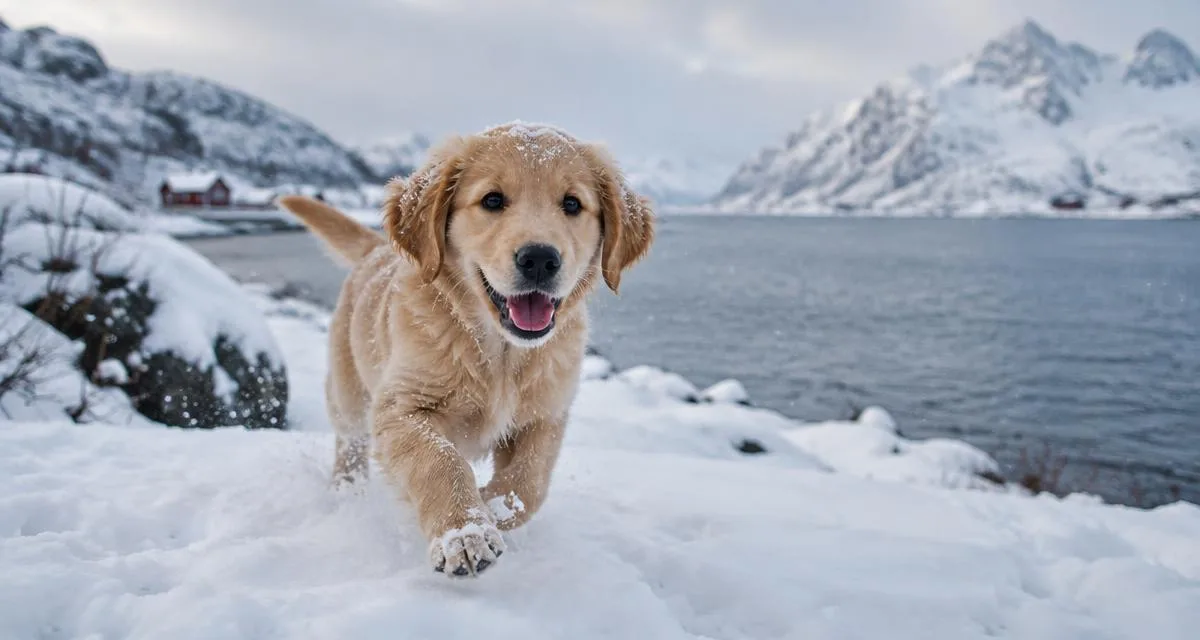
Paws, road salt and ice
Salt and grit on pavements and roads can dry out and irritate paw pads. Snow can also ball up between the toes and cause chafing. Many dogs lick their paws after a walk and swallow salt.
Rinse or wipe the paws with lukewarm water after each walk and dry well between the pads. Keeping the fur between the toes short means less snow sticks.
- Look for redness, cracks or limping after walks
- Use paw balm or dog boots where there is a lot of salt or sharp ice
- Contact a veterinarian if a wound does not heal or your pet is limping
How cold is too cold?
Cold tolerance varies a lot. Small dogs, short-coated breeds, puppies, older animals and pets with illness get cold faster. Wind and damp make the cold harsher than the temperature alone suggests.
On cold days, split the walk into several shorter ones. Shivering, lifting the paws, slowing down or wanting to go home are signs your pet is cold. A well-fitted coat can help pets with thin fur.
Antifreeze and other toxic winter hazards
Antifreeze (ethylene glycol) tastes sweet and can be life-threatening for dogs and cats even in small amounts. Spills in garages and driveways are a common source. Early signs can look like drunkenness, but kidney damage may follow later.
If your pet has swallowed antifreeze, or you suspect it, contact a veterinarian immediately – do not wait for symptoms. The Norwegian Poison Information Centre can also advise.
- Store antifreeze and screen wash closed and out of reach
- Wipe up spills straight away
- Watch out for chocolate, raisins and xylitol at Christmas
Visibility in the dark season
Much of the winter day is dark. Use a reflective vest, reflective bands or a collar light, and wear reflectors yourself. Keep your dog on a lead near roads.
Outdoor cats are at risk in traffic in the dark. Many owners keep their cat indoors at night in winter. Also check under the bonnet and around the tyres before starting the car – cats seek warmth there.
Boredom and weight indoors
Shorter walks and more time indoors can lead to restlessness, chewing and weight gain. Keep your dog and cat busy with treat searches, puzzle toys, simple training and play.
Adjust food portions if your pet moves less, and keep an eye on its weight through the winter.
Winter advice at Tananger Dyreklinikk
If you are unsure whether your pet copes with the cold, notice sore paws, or think it has swallowed something toxic, get in touch. We help dogs, cats and small pets in Tananger with an individual assessment.
Sources and veterinary guidance
General information, not a diagnosis or an individual treatment plan. This article draws on the sources below. Contact a veterinarian for advice about your pet.
Questions about your pet?
We can help with an individual assessment at our clinic in Tananger.
Read next
Microchipping dogs and cats: why does it matter in Norway?
Learn why dogs and cats benefit from a microchip, how safe implantation works, why DyreID registration matters and what to check before travelling.
Why is dental care important for dogs and cats?
Toothbrushing, tartar and bad breath in dogs and cats: recognise dental problems and know when to contact a veterinarian in Tananger.
Why is an annual vaccination review important for your pet?
How often should dogs and cats be vaccinated in Norway? Learn why an annual health check and an individual vaccination plan matter.