
Why is dental care important for dogs and cats?
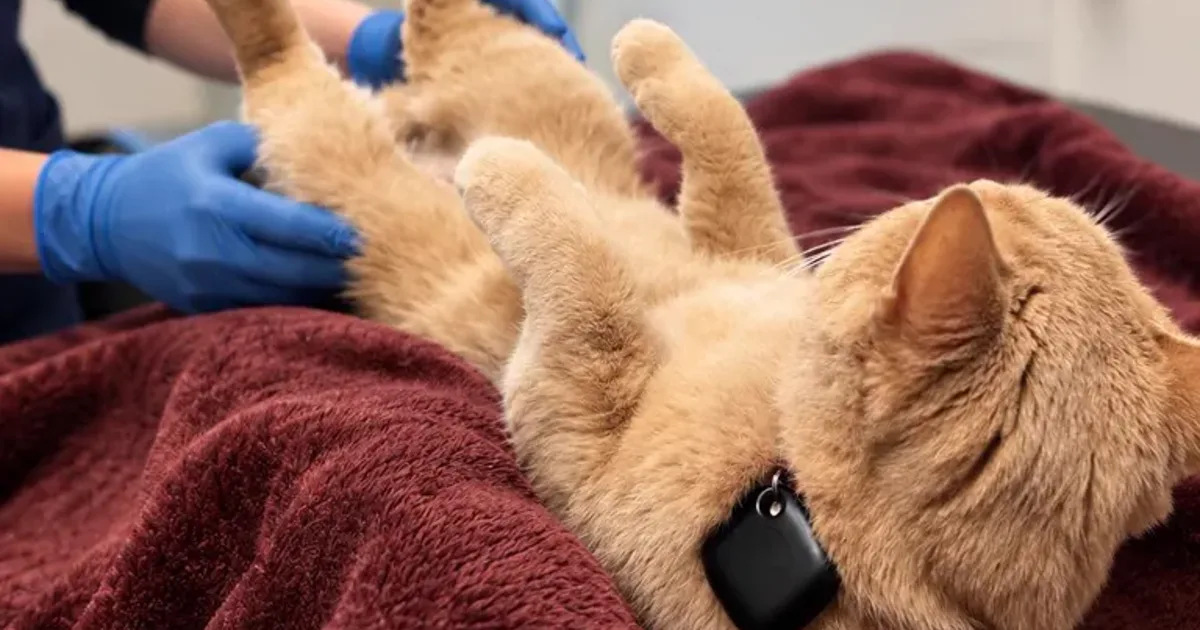
Dental health is about more than fresh breath
Plaque is a film that builds up on teeth. If left in place, it can contribute to inflamed gums. Over time, disease can affect the tissues supporting the teeth. Tartar can make the mouth harder to keep clean, but the visible tooth surface does not tell the whole story.
Dogs and cats do not always show obvious signs of pain. Regular dental care and checks matter even if your pet is eating and behaving normally.
Warning signs you should not ignore
Contact a veterinarian if you notice any of the following. Persistent bad breath is not something you simply have to accept as normal.
- Persistent bad breath or red, swollen or bleeding gums.
- Drooling, difficulty chewing, dropping food or a reduced appetite.
- Loose teeth, visible tartar or pawing at the mouth.
- Changes in behaviour or reluctance to have the head or mouth touched.
How to start brushing your pet’s teeth
Help your pet get used to gentle contact with the lips and teeth. Begin with short, calm sessions and reward cooperation. Use a soft, appropriately sized brush and toothpaste made for animals, not human toothpaste.
Gradually work towards daily brushing as your pet becomes comfortable. Do not force the mouth open or continue if it seems painful. A veterinarian should examine a sore or inflamed mouth before you proceed.
Appropriate dental chews and diets can provide additional support, but do not replace brushing or necessary treatment. Avoid very hard objects that could damage teeth.
When is professional dental treatment needed?
Brushing removes plaque but cannot treat established dental disease or remove all tartar. Your veterinarian assesses the need for a thorough examination and treatment based on the findings and your pet’s health.
A complete oral examination and dental cleaning require general anaesthesia. This allows examination and cleaning below the gumline. Dental X-rays can reveal problems that are not visible from the outside. Scraping visible tartar from an awake animal is not a substitute.
Anaesthesia and treatment are assessed individually. There is no single dental-cleaning interval that suits every dog and cat.
Dental care with your veterinarian in Tananger
Tananger Dyreklinikk offers dental treatment as part of its services for dogs, cats and small pets. Contact us if you are unsure about brushing, notice tartar or detect bad breath. We can assess your pet’s mouth and discuss an individual care plan.
Contact a veterinarian promptly if your pet has obvious pain, swelling or cannot eat.
Sources and veterinary guidance
- Den norske veterinærforening – munnhuleundersøkelse med tannrens i narkose
- AniCura Norge – tannbehandling
General information, not a diagnosis or an individual treatment plan. This article draws on the sources below. Contact a veterinarian for advice about your pet.
Questions about your pet?
We can help with an individual assessment at our clinic in Tananger.
Read next
Microchipping dogs and cats: why does it matter in Norway?
Learn why dogs and cats benefit from a microchip, how safe implantation works, why DyreID registration matters and what to check before travelling.

Why is an annual vaccination review important for your pet?
How often should dogs and cats be vaccinated in Norway? Learn why an annual health check and an individual vaccination plan matter.