
Microchipping dogs and cats: why does it matter in Norway?
What is a microchip, and how does it work?
A microchip is a tiny electronic device, about the size of a grain of rice, that a veterinarian places under the skin using a needle. It carries a unique identification number that a scanner can read. It has no battery and is activated only when a reader is brought close to it.
A microchip is not a GPS tracker and cannot show where your pet is. The chip itself does not store your name, address or telephone number. Its number is used to look up owner details in a registry, which is why both implantation and correct registration matter.
Why is microchipping important in Norway?
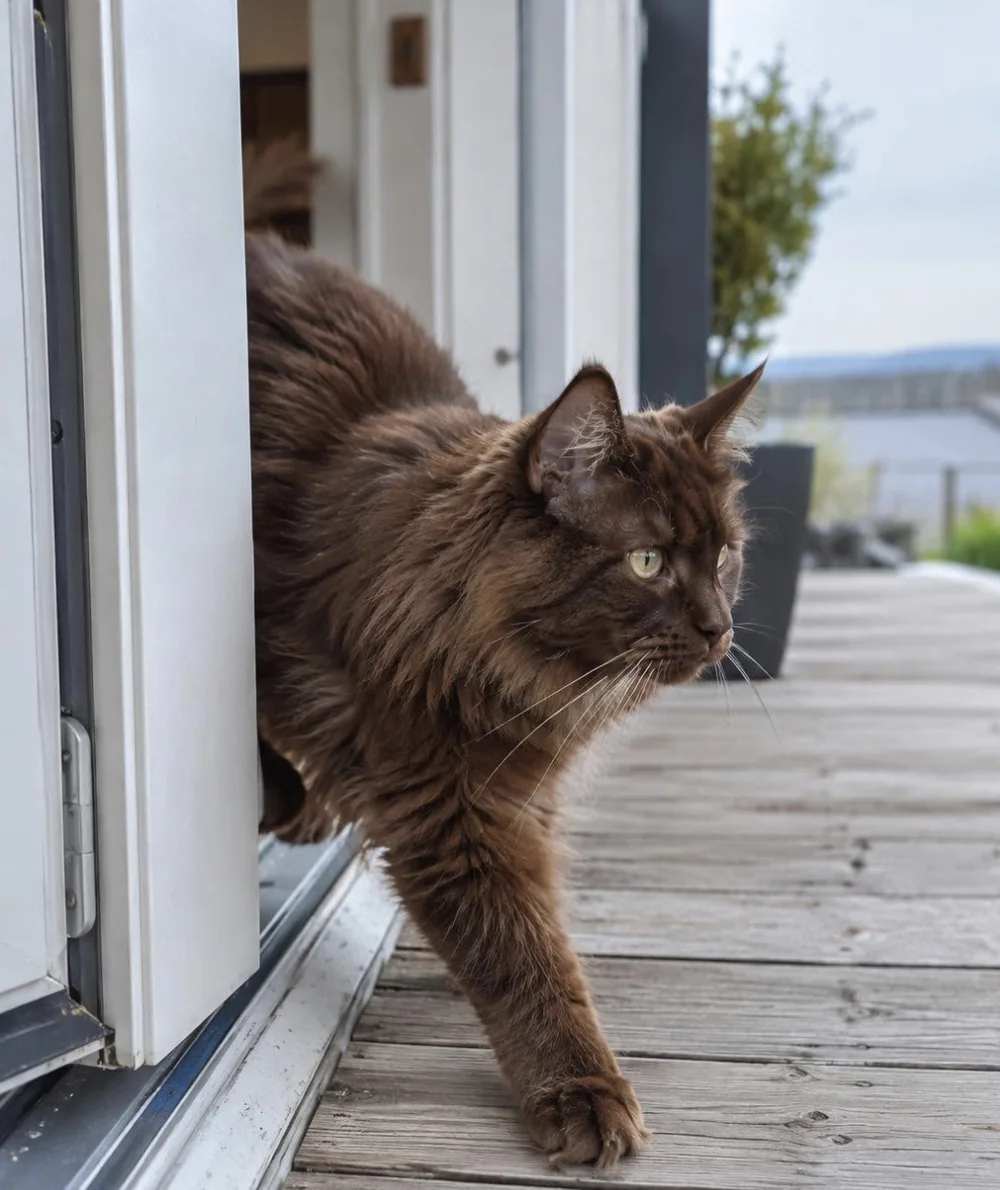
A cat can wander away, and a dog can escape from a garden or become frightened on a walk. Even an indoor cat can slip through an open door or window. A collar can come off; a microchip offers a more lasting way to identify the animal.
When a found pet is scanned by a veterinarian or another organisation with a reader, a registered number can make it possible to contact the owner. This improves the chance of reunion but does not guarantee that a missing pet will be found.
Mattilsynet, the Norwegian Food Safety Authority, recommends microchipping all cats. This is a recommendation, not a statement that every dog and cat kept in Norway is subject to a general legal requirement. Travel and certain other situations can have separate identification requirements.
Is microchipping safe for my dog or cat?
Yes, microchipping is generally safe when performed correctly by a veterinarian. The implant is designed to remain under the skin and does not normally affect your pet’s health, movement or everyday life. It does not continuously transmit signals and needs no charging or battery replacement.
Insertion can cause a brief sting and some tenderness, similar to an injection. Most pets do not need general anaesthesia solely for microchipping. Your veterinarian will still assess what is appropriate for your animal, particularly if it is unwell or very distressed.
Complications are uncommon, but it would be inaccurate to promise that implantation is entirely risk-free. A chip may move slightly under the skin, and local reactions or reading problems can occur. Contact a veterinarian if you notice persistent swelling, pain, discharge at the insertion site or other changes. At later visits, your veterinarian can also check that the chip is still readable.
Register the number and keep DyreID details current
A chip without accurate owner details may be difficult to link to you. Ask your veterinarian to confirm which registry holds the number and check the details yourself. DyreID is a Norwegian registry for identified pets.
Update your telephone number and address when they change, and make sure any change of ownership is registered. If your pet already has a chip from another country, check where it is registered and how current Norwegian contact details can be made available. Do not insert another chip without first investigating the existing one.
- Keep the chip number and confirm registration has been completed.
- Check your contact details, especially your telephone number.
- Register ownership changes and update details when you move.
- Ask for a scan if you are unsure whether the chip can be read.
Microchips, pet passports and travel
If you plan to travel with your dog or cat, check the rules for both your destination and your return to Norway. Mattilsynet’s guidance for entry from the EU/EEA describes identification and travel-document requirements. A clearly readable tattoo applied before 3 July 2011 may be accepted in certain cases; always check any exception before travelling.
Where rabies vaccination is required, your pet must be identified before the vaccine is given for it to count as valid. The chip, vaccinations, any waiting periods and passport therefore need to be arranged in the correct order.
Requirements depend on the countries, travel route and whether the movement is private or commercial. Some journeys have exceptions to the rabies requirement. Always consult current Mattilsynet guidance and your destination’s rules well before departure – a microchip alone is not enough to travel.
Microchipping at Tananger Dyreklinikk
Tananger Dyreklinikk offers microchipping. We can check whether your dog or cat already has a chip, explain implantation and help you clarify registration.
Bring any pet passport, chip number and previous documents. Tell us about planned travel so we can advise what needs checking before departure. A small chip and current contact details can make a big difference if your pet goes missing.
Sources and veterinary guidance
- Mattilsynet – hva du bør tenke over før du skaffer deg katt
- Mattilsynet – microchip, pass og antall hunder ved reise til Norge fra EU/EØS
- Mattilsynet – reise til Norge med katt eller ilder fra EU/EØS
- Mattilsynet – rabiesvaksine ved reise med hund
- DyreID – kjæledyret mitt er ikke søkbart
- AVMA – microchipping FAQ
- BSAVA – microchipping adverse reactions
General information, not a diagnosis or an individual treatment plan. This article draws on the sources below. Contact a veterinarian for advice about your pet.
Questions about your pet?
We can help with an individual assessment at our clinic in Tananger.
Read next
Why is dental care important for dogs and cats?
Toothbrushing, tartar and bad breath in dogs and cats: recognise dental problems and know when to contact a veterinarian in Tananger.
Why is an annual vaccination review important for your pet?
How often should dogs and cats be vaccinated in Norway? Learn why an annual health check and an individual vaccination plan matter.